You in relationships
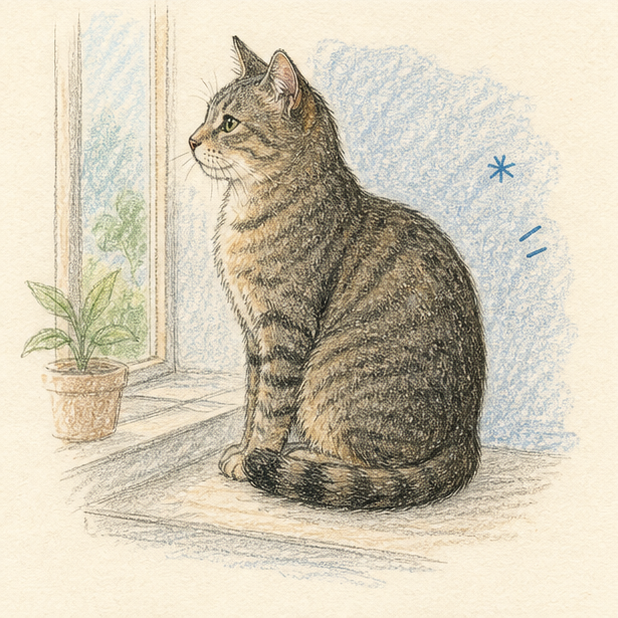
You often prefer generous personal space and low-pressure, direct interaction. You may show care through actions while finding vulnerable conversation difficult. The more important a bond becomes, the more tempting it can feel to maintain control and avoid dependence.
Under stress and conflict
As emotion intensifies, you may go quiet, analyze, change the subject, or leave. Without explanation, your distance can look like rejection. A partner may pursue harder, which increases your need to retreat and creates a repeating cycle.
Strengths you bring
- Respects individuality and personal space
- Can think calmly without being fully flooded
- Carries practical responsibility and self-support
- Values honesty and consistency once trust is built
Situations that may activate you
- Pressure to answer immediately during intense emotion
- Repeated pursuit or treating space as rejection
- Needs becoming obligations and boundaries being ignored
Practices for a steadier bond
- When taking space, say when you will return
- Begin with short, specific emotional statements
- Practice receiving small amounts of care
- Respond to the feeling as well as solving the event
Relating to this style
Respecting space does not require waiting indefinitely. State needs in a clear, low-pressure way, agree on when a paused conversation resumes, and keep your own boundaries intact.
Needing someone does not erase independence. Flexible autonomy means choosing closeness while remaining yourself.A reminder for you
Take the attachment quiz
Explore other styles

Attachment tendencies can change with relationships, experience, and felt safety. This guide supports self-reflection and is not a psychological diagnosis.